Banh Mi, a Vietnamese culinary masterpiece, has transcended its humble beginnings to become a global sensation. This iconic sandwich, with its fusion of French and Vietnamese influences, encapsulates a rich tapestry of history, culture, and flavors. We explore the origins of the Vietnamese sandwich. We delve into its evolution. We also examine the diverse variations that have emerged over the centuries.
Table of Contents
The Roots of Banh Mi
French Influence
Banh Mi’s journey begins with French colonization in Vietnam during the 19th century. The introduction of baguettes, pâté, and other French ingredients laid the foundation. These elements would later become Banh Mi – the famous Vietnamese sandwich.

Vietnamese Adaptation
Vietnamese culinary ingenuity transformed the French baguette into a unique Vietnamese creation. Local ingredients like cilantro, pickled daikon, carrots, and various proteins were added. This combination birthed the Banh Mi as we know it today.
Banh Mi Through the Decades:
Post-Colonial Era
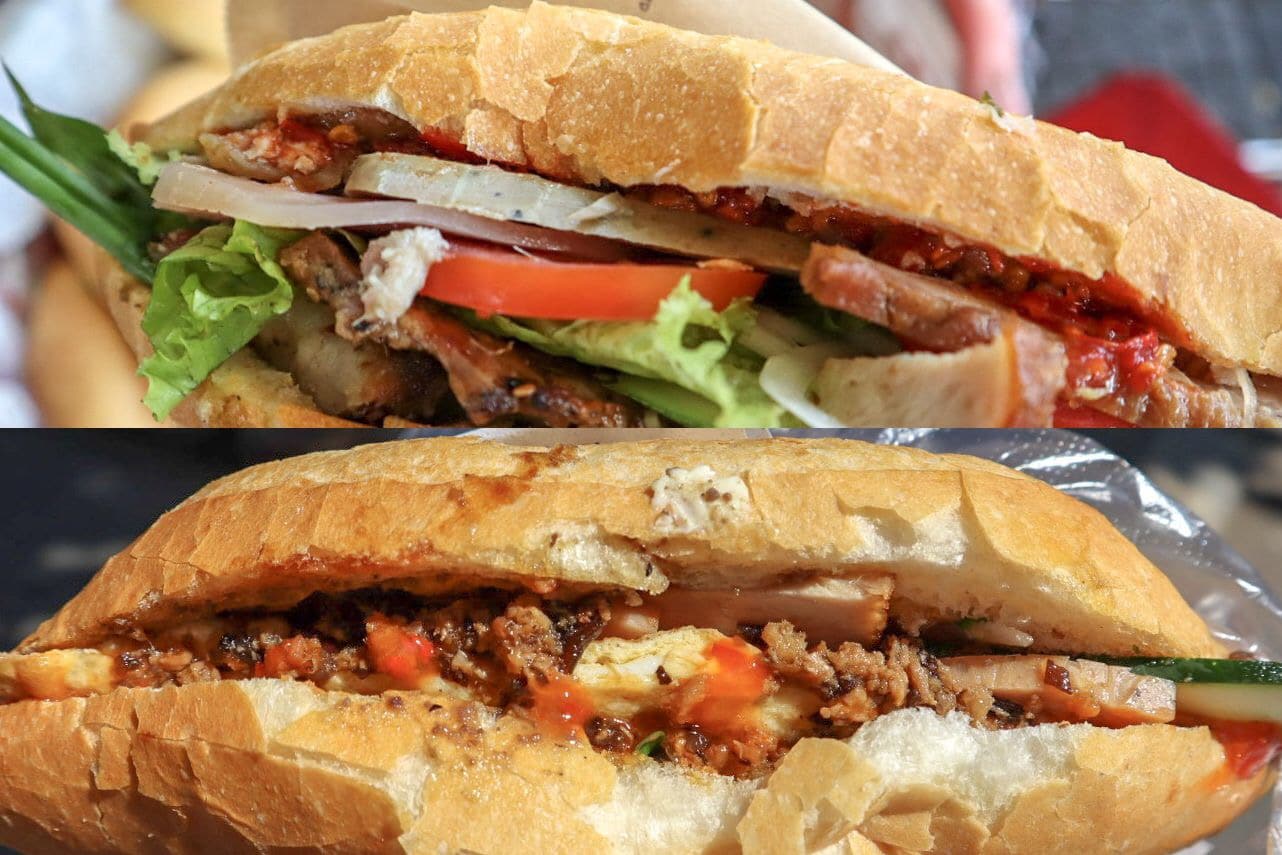
Following Vietnam’s struggle for independence, Banh Mi – the Vietnamese sandwich became a symbol of resilience and national identity. Street vendors and local bakeries played a crucial role in popularizing this versatile and affordable delicacy.
War and Migration
The Vietnam War and later waves of migration spread Banh Mi beyond Vietnamese borders. Vietnamese communities around the world embraced and adapted the recipe, infusing it with regional influences and creating unique variations.
Regional Variations
Saigon Style
The southern city of Saigon boasts a distinct Vietnamese sandwich style. It features a crispy baguette, a variety of cold cuts, and a generous helping of fresh vegetables. This version reflects the vibrant and cosmopolitan nature of southern Vietnam.
Hanoi Heritage
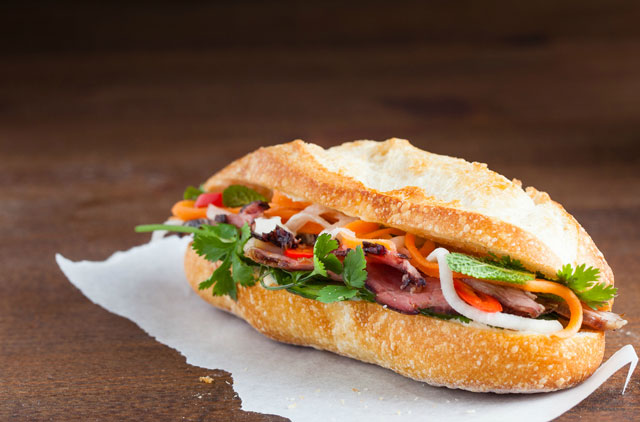
In the north, Hanoi’s Banh Mi is characterized by a softer baguette, grilled meats, and a lighter use of condiments. This variation showcases the subtle flavors and elegance of northern Vietnamese cuisine.
Banh Mi in the Modern Culinary Landscape
Global Fusion
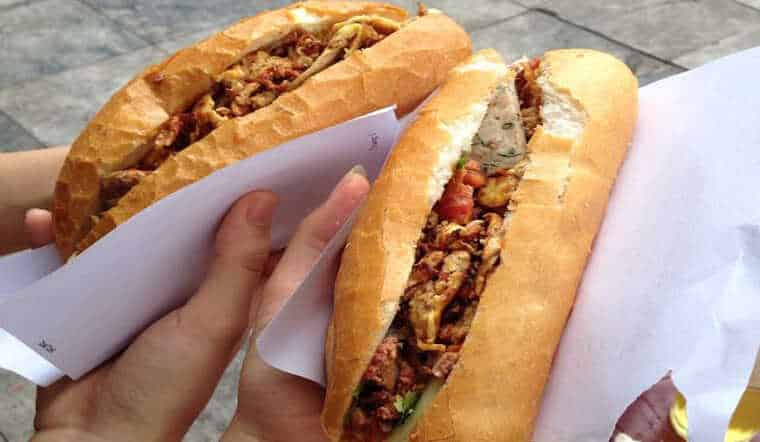
The 21st century has seen Banh Mi’s global popularity, with chefs worldwide putting their own spin on this classic. Fusion variations with ingredients like kimchi, sriracha, or avocado highlight its adaptability.
Health-Conscious Options
With a growing focus on health and dietary preferences, the Vietnamese sandwich has evolved to include vegetarian and vegan options. Tofu, tempeh, and plant-based condiments offer a fresh perspective on this beloved sandwich.
The history of Banh Mi reveals a captivating tale of cultural exchange. It spans a thousand articles. This tale also includes adaptation and innovation. Banh Mi’s journey starts from the bustling streets of Vietnam. It extends to the international food scene. This journey reflects the dynamic nature of culinary evolution. As we savor each bite of this delectable sandwich, we not only taste the layers of history. We also experience the promise of a global gastronomic future. In this future, traditions and innovations seamlessly coexist.