Vietnam, a nation celebrated for its rich tapestry of flavors and culinary diversity, has many noodle dishes. These dishes captivate the taste buds. They offer a glimpse into the country’s gastronomic heritage. Noodles, a staple in Vietnamese cuisine, come in various shapes, sizes, and textures. Each type contributes to the vibrant mosaic of tastes that define the nation’s food culture. Join us on a delectable journey. We will unravel the charm of Vietnamese noodles. This extends from the iconic Pho to lesser-known gems that grace the tables of locals and visitors alike.
Table of Contents
1. Pho – The Iconic Elixir of Vietnam
No exploration of Vietnamese noodles is complete without delving into the world of Pho. This legendary dish is a culinary emblem of Vietnam. It consists of flat rice noodles swimming in a fragrant broth. The broth is usually enriched with beef or chicken. It is garnished with fresh herbs, bean sprouts, and lime. The balance of aromatic spices and tender noodles makes Pho a comforting and iconic part of Vietnamese dining.

This dish is found everywhere. If you are looking for the most authentic flavor, come to Hanoi. You can find famous Pho restaurants ranging from street stalls to air-conditioned restaurants.
2. Bun – The Versatile Vermicelli
Bun, or rice vermicelli, is a versatile noodle that serves as the base for an array of delectable dishes. The process of making noodles is quite complex with rice as a raw material. The flour is finely ground and chopped into blocks. It is then put into a mound and squeezed into the fiber. Right after that, the fiber of the noodles falls into the pot of boiling water placed directly below to boil so that they do not stick to each other. Finally, rice noodles are left on banana leaves under the sunlight to get dried.
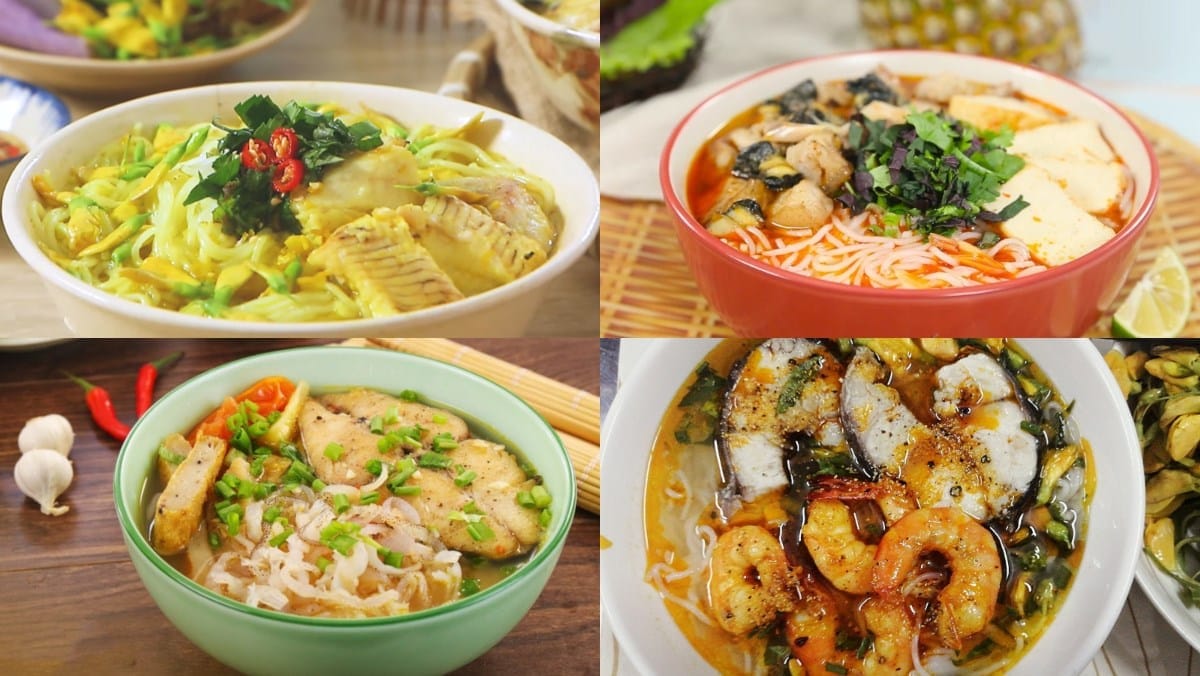
Often found in salads, bun is paired with grilled meats, fresh herbs, and nuoc cham (Vietnamese dipping sauce). Bun cha, a dish from Hanoi, features grilled pork served with bun, herbs, and a savory dipping sauce, offering a delightful play of flavors and textures.
Like pasta, there are different sizes of bun. If Bun Cha uses a more spaghettini-like bun, then Bun Bo Hue (Hue beef noodles) prefers a thicker size of noodles. Hailing from the imperial city of Hue, Bun Bo Hue stands out for its bold and spicy broth. Thick rice vermicelli is paired with slices of beef, pork knuckles, and pork blood, creating a complex and aromatic noodle soup. The infusion of lemongrass and chili sets this special dish of Vietnamese noodles apart, offering a fiery culinary adventure for those seeking an extra kick in their noodles.

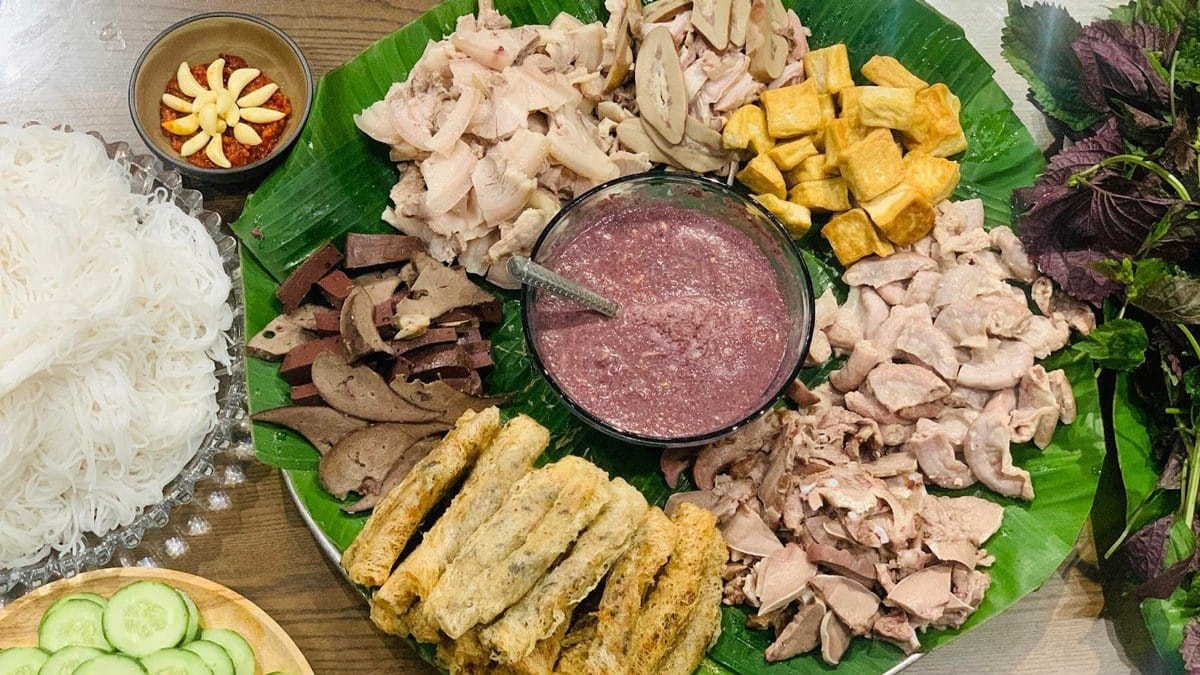
When eating Bun Dau Mam Tom (Noodles with tofu and shrimp paste), people tend to use bun pressed in square chunks. This is mostly because it would be easier and less messy when dipping chunks of bun in shrimp paste, as it has an unpleasant smell. This diversity in the same kind of noodles makes Vietnamese food more interesting and delicate.
3. Mien – The unique glass noodles
Being an indispensable ingredient in Nem (Vietnamese spring rolls), this kind of noodle is made from flour such as rice, arrowroot, green bean or cassava flour. The flour is often soaked in cold water before processing. It is impossible to not have a bowl of hot glass noodle soup with chicken, crab or musk duck and fresh bamboo shoots when you visit Vietnam.

With a distinctive taste and texture, mien is perfect for stir-fried dishes, or dried versions of soup noodles, giving a more chewy feel. This is also one of the most wanted options for weight control diets in Vietnamese cuisine.
4. Banh da – The Vietnamese fettuccine
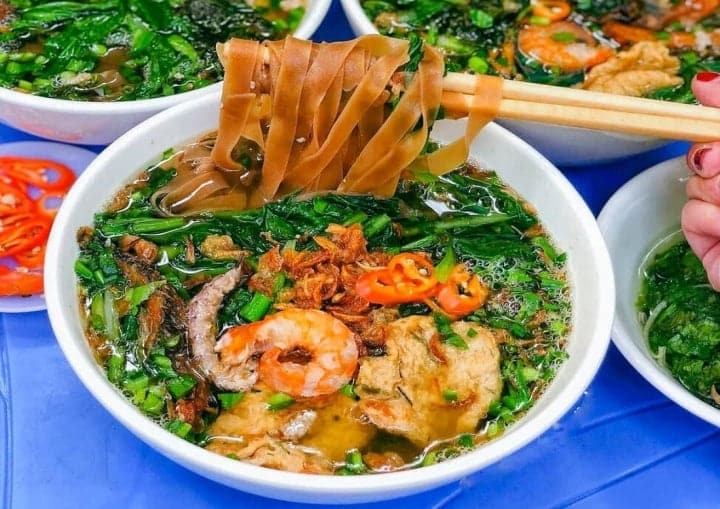
Size-wise, banh da is similar to the flat pasta of fettuccine, however, the main ingredient is rice, instead of flour. Banh da has two main types, red and white, and the red rice noodles is the main ingredient of the renowned Banh da cua, originating from Hai Phong.
5. Cao Lau – Hoi An’s Culinary Gem
Cao Lau, a specialty hailing from the ancient town of Hoi An, showcases a distinctive flat noodle made with local ash water. This noodle, paired with slices of pork, crispy rice crackers, and fresh herbs, creates a unique blend of textures and flavors. It is a complicated process to make this kind of noodle.
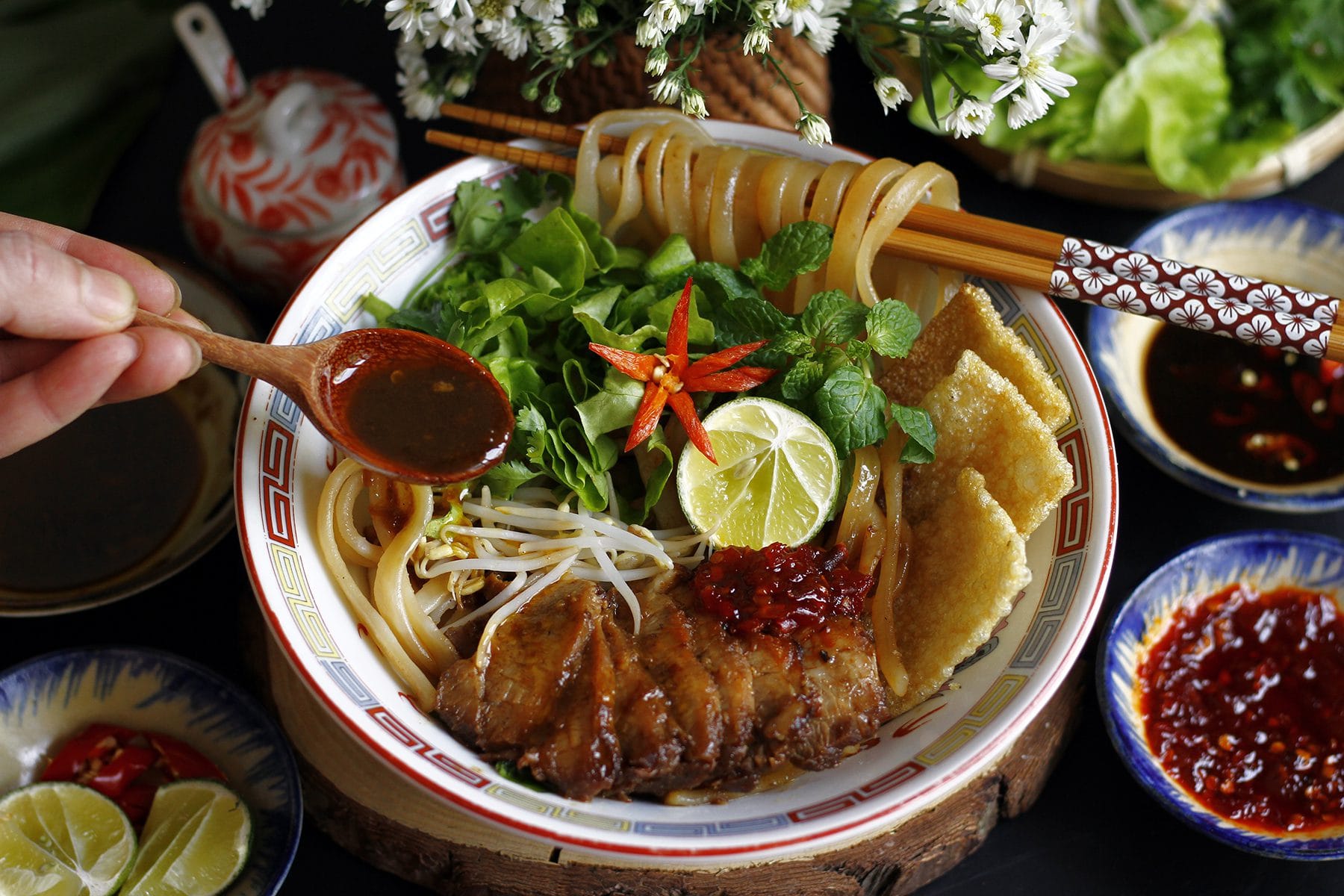
This is a fusion dish among Vietnamese – Chinese – Japanese cuisine, which is why the noodles are similar to Udon and the sauce is familiar to Chinese people. However, you can only find it in Vietnam, since Cao Lau exclusively uses water from a specific ancient well in Hoi An that lends it an unparalleled taste that captivates food enthusiasts.
6. Mi Quang – Central Vietnamese Noodle Triumph
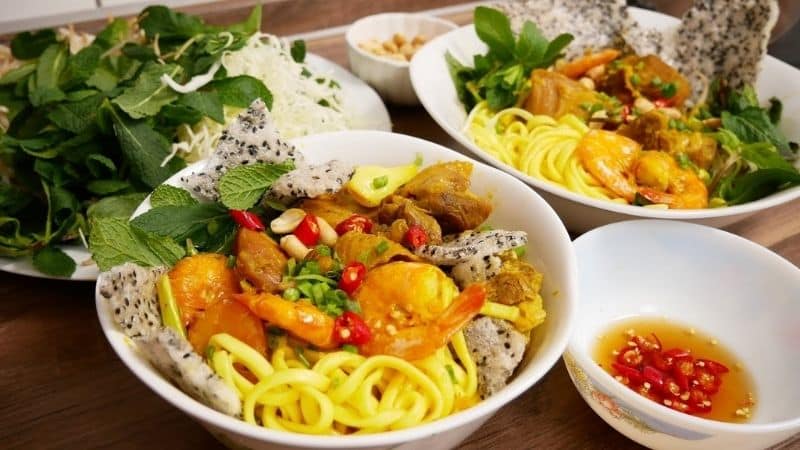
Mi Quang, a Vietnamese noodle dish originating from the country’s center, features thick, flat rice noodles bathed in a turmeric-infused broth. Packed with a variety of proteins such as shrimp, pork, and quail eggs, and topped with peanuts and fresh herbs, Mi Quang is a vibrant and hearty dish that showcases the region’s culinary ingenuity. You can find Mi Quang if you are traveling to Da Nang.
7. Banh Canh – Thick Noodles, Robust Flavor
Commonly seen in Central and Southern Vietnam, Banh Canh varies differently depending on where you are traveling to. In comparison with bun – rice vermicelli noodles, they are shorter and wider.
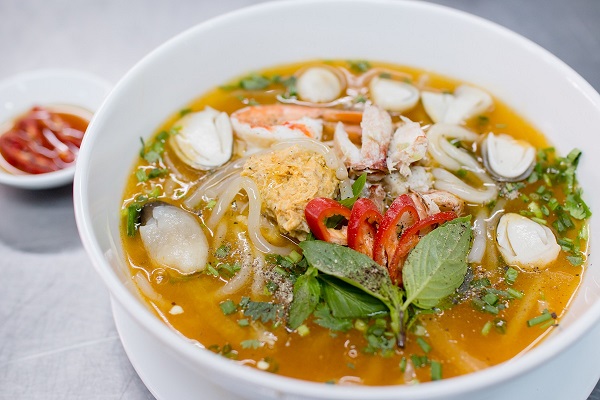
Banh Canh is characterized by its thick and chewy noodles made from a combination of rice and tapioca flour. It is a hearty dish that comes in various forms. Banh Canh Cua features crab. Banh Canh Cha Ca highlights fish. These noodle soups are known for their rich, flavorful broths and substantial ingredients. They are a satisfying and comforting choice when it comes to Vietnamese noodles.
8. Instant noodles – not only a regular meal
In the late 18th century, Europeans came up with the recipe for making noodles from wheat flour. This recipe was widely used in Italy and France. Later, Asians invented a way to make noodles become instant food. Today, noodles have become indispensable food in families in Vietnam, Korea, and China, and their taste is greatly attractive to many all over the world.
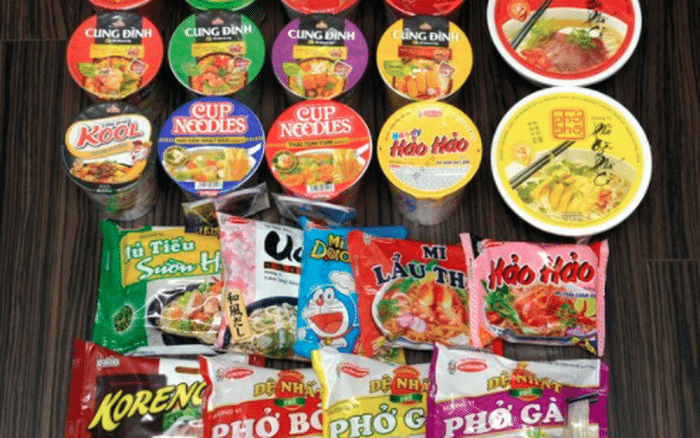
Even though instant noodles are not the healthiest option you can find, it is a special part of Vietnamese daily life, especially for university students for their affordability. From breakfast to a late-night meal, instant noodles are the way to go. Not only is it present in daily meals, but packs of instant noodles are indispensable on a hot pot day.
Vietnamese cuisine’s fascinating array of noodles reflects the country’s cultural diversity and culinary artistry. From internationally acclaimed Pho to regional specialties like Cao Lau and Mi Quang, each Vietnamese noodle dish tells a unique story of tradition, innovation, and local flavors. As you embark on your culinary odyssey through Vietnam, savor the textures, aromas, and tastes. Vietnamese noodles are an integral part of the nation’s gastronomic legacy. Whether you’re exploring the vibrant street food scene, you will be impressed by the world of Vietnamese noodles. Sitting in a quaint local eatery, you will also be impressed. It is sure to leave an indelible mark on your culinary journey.