Vietnamese coffee is more than just a beverage. It is a cultural institution. It is a daily ritual. It is a symbol of hospitality and tradition. Renowned for its robust flavor, unique brewing methods, and rich history, Vietnamese coffee holds a special place in the hearts of locals and travelers alike. Let’s delve into the fascinating world of this special Vietnamese beverage. We will explore the vibrant coffee culture that thrives in the bustling streets and serene corners of Vietnam.
Table of Contents
A Historical Brew Of Vietnamese Coffee
The story of Vietnamese coffee traces back to the late 19th century when French colonists introduced coffee cultivation to Vietnam. The country’s ideal climate and fertile soil proved conducive to coffee production, leading to the establishment of vast plantations in the Central Highlands. Over time, coffee became deeply ingrained in Vietnamese culture. It evolved into a beloved Vietnamese beverage enjoyed by people from all walks of life.
Robusta Reigns Supreme
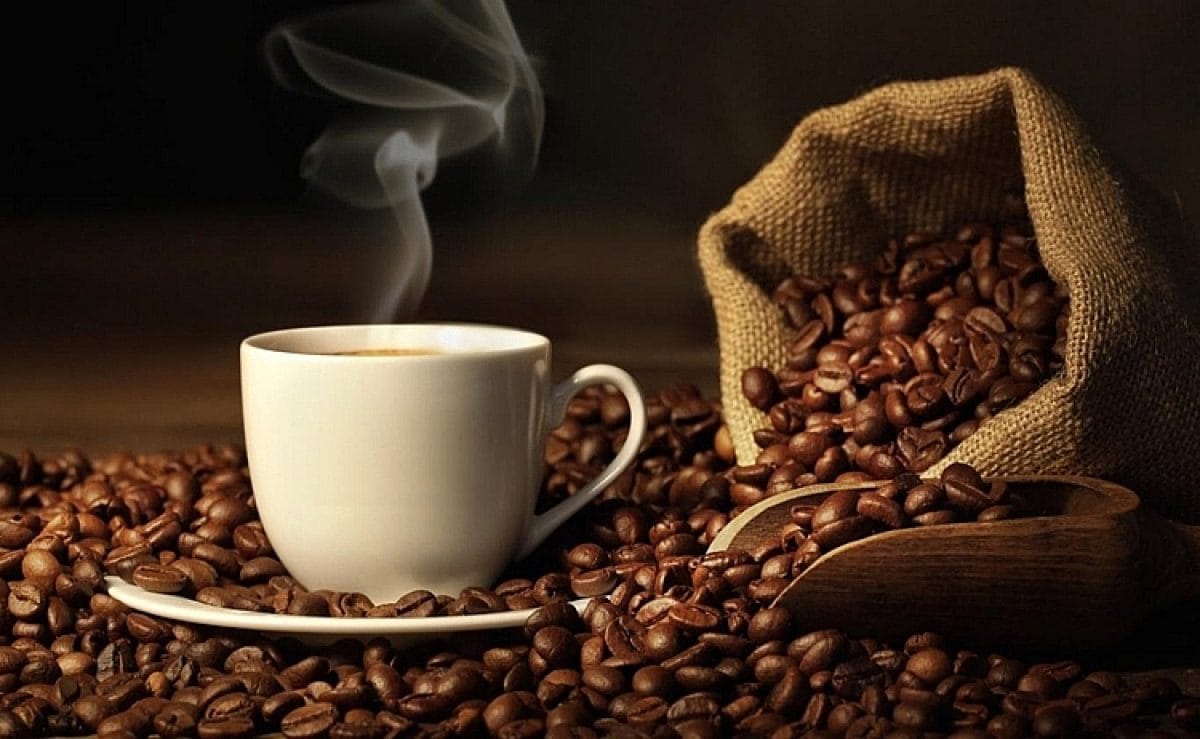
Unlike its neighbors in Southeast Asia, Vietnam predominantly produces robusta coffee beans, known for their bold flavor and higher caffeine content. Robusta beans thrive in Vietnam’s humid climate. This results in a coffee characterized by its robust body. It also has earthy notes and lingering bitterness. While arabica beans are also cultivated in Vietnam, robusta remains the cornerstone of Vietnamese coffee culture.
Distinctive Brewing Techniques
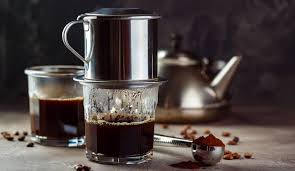
One of the hallmarks of Vietnamese coffee is its unique brewing methods, which blend tradition with innovation. The most iconic Vietnamese coffee preparation is the “phin filter.” It is a small metal drip filter reminiscent of a miniature French press. Ground coffee is placed in the filter, followed by hot water, allowing the brew to slowly drip into a glass below. This method yields a strong, concentrated coffee known as “ca phe sua da” (Vietnamese iced coffee). It is also known as “ca phe sua nong” (Vietnamese hot coffee). The coffee is often sweetened with condensed milk for a creamy finish.
Savoring the Sweetness
Condensed milk plays a central role in Vietnamese coffee culture, imparting a rich, velvety sweetness to the brew. Introduced by the French during colonial rule, condensed milk became a popular addition to coffee, offering a delicious contrast to the bold flavors of the beans. The combination of strong coffee and creamy condensed milk has become synonymous with Vietnamese coffee. It delights taste buds. It also provides a refreshing respite from the tropical heat.
Variety and Innovation
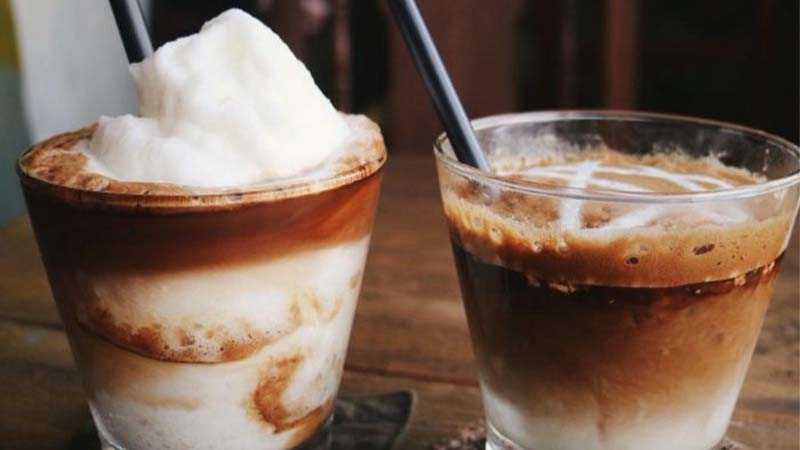
Traditional Vietnamese coffee reigns supreme. Modern cafes across Vietnam have embraced innovation. They offer a plethora of creative coffee concoctions to suit every palate. Vietnamese cafes push the boundaries of coffee culture. From egg coffee in Hanoi to coconut coffee in Ho Chi Minh City, they infuse local ingredients and flavors into their brews. Whether served hot or iced, black or with milk, this Vietnamese beverage offers endless possibilities for exploration and enjoyment.

A Social Ritual
Beyond its culinary appeal, Vietnamese coffee holds significant social and cultural importance, catalyzing connection and conversation. Cafes, both traditional and contemporary, serve as gathering places. Friends, families, and colleagues come together to unwind, socialize, and savor the moment. The vibrant café culture of Vietnam encompasses both sidewalk stalls and chic coffee houses. It embodies the warmth and hospitality for which the country is renowned.
Global Influence
In recent years, this Vietnamese beverage has gained international acclaim, captivating the taste buds of coffee aficionados worldwide. Vietnamese coffee shops have sprung up in major cities across the globe. They offer a taste of Vietnam’s distinctive brew to coffee lovers far and wide. The unique flavors and brewing techniques of Vietnamese coffee continue to inspire and influence the global coffee industry. They showcase Vietnam’s rich coffee heritage on the world stage.
Sustainable Practices
As awareness of sustainability grows, Vietnamese coffee producers are increasingly adopting eco-friendly practices. They aim to protect the environment and support local communities. Various efforts are underway, from organic farming methods to fair trade initiatives. These measures ensure the long-term viability of Vietnam’s coffee industry. They also preserve the country’s natural resources for future generations.
In conclusion, Vietnamese coffee is more than just a Vietnamese beverage. It is a cultural phenomenon that embodies the spirit of Vietnam. Vietnamese coffee has historical roots. Its distinctive brewing methods captivate the senses. They foster connection among people from all walks of life. Whether enjoyed on a bustling street corner or savored in a tranquil café, Vietnamese coffee offers a glimpse into the soul of a nation. It invites travelers to embark on a flavorful journey through Vietnam’s rich coffee culture.
If you are looking for a reliable private Vietnamese language school in Hanoi that offers personalized, consider Let’s Speak Vietnamese
- Our lessons are designed to help you learn Vietnamese quickly and efficiently.
- Our experienced teachers work with you to create a customized learning plan that meets your specific needs and goals.
- Our timetables are flexible. They can be tailored to your schedule. This makes it easy to fit language learning into your busy life.
- You can find Vietnamese language courses online or in person, one-on-one or in group.