As Vietnam welcomes the Lunar New Year, known as Tet, the air is filled with excitement and anticipation. The celebration is not only marked by vibrant traditions but also by a rich tapestry of unique Tet vocabulary that adds depth and cultural significance to the festivities. In this article, we will explore the linguistic landscape of Tet, delving into the meanings and stories behind the words that shape this joyous occasion.
Table of Contents
Vietnamese Tet’s traditions
- Tet Nguyen Dan (Tết Nguyên Äán)
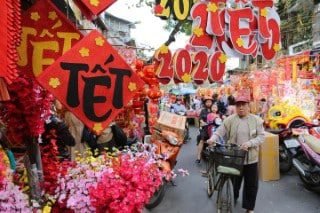
The phrase “Tet Nguyen Dan” itself encapsulates the essence of the celebration. “Tet” translates to festival, while “Nguyen Dan” refers to the first morning of the new year. This term underscores the significance of Tet as the most anticipated and celebrated festival in Vietnam, representing the beginning of a new lunar cycle and a time for renewal and fresh starts.
- Li Xi (Lì xì)
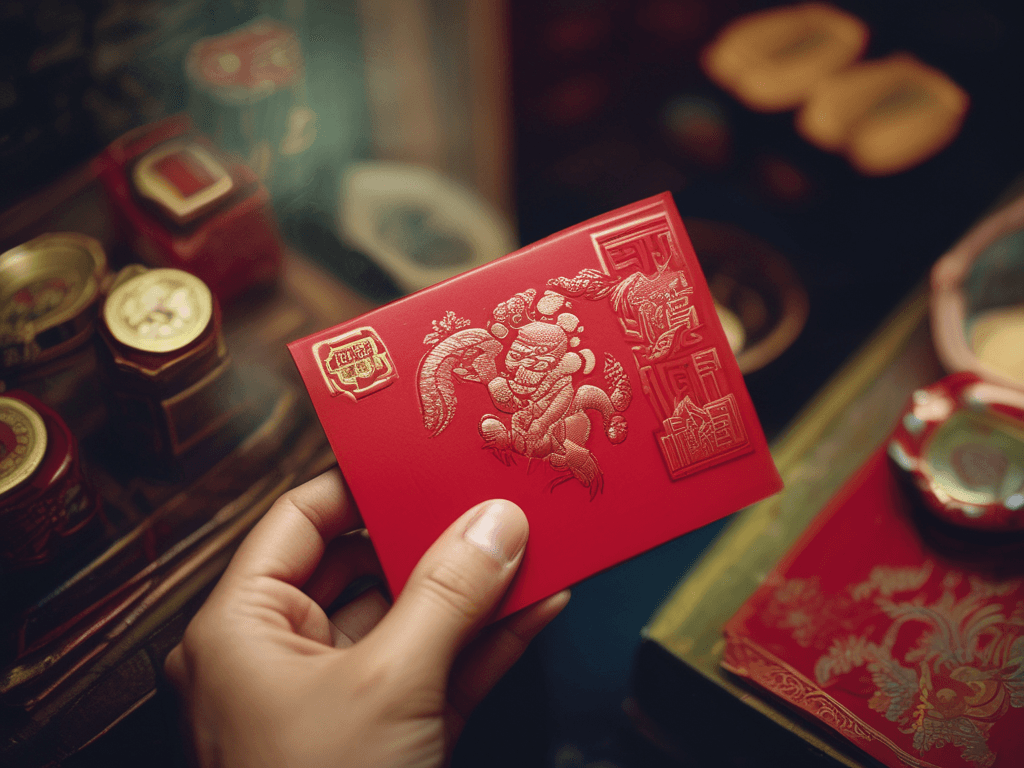
Derived from the Chinese term “Hong Bao,” “Li Xi” refers to the red envelopes containing money that are gifted during Tet. These envelopes symbolize good luck and prosperity, and the act of giving and receiving Li Xi is a cherished tradition, especially among family members and children. The amount of money inside is usually an even number, as odd numbers are associated with funerals.
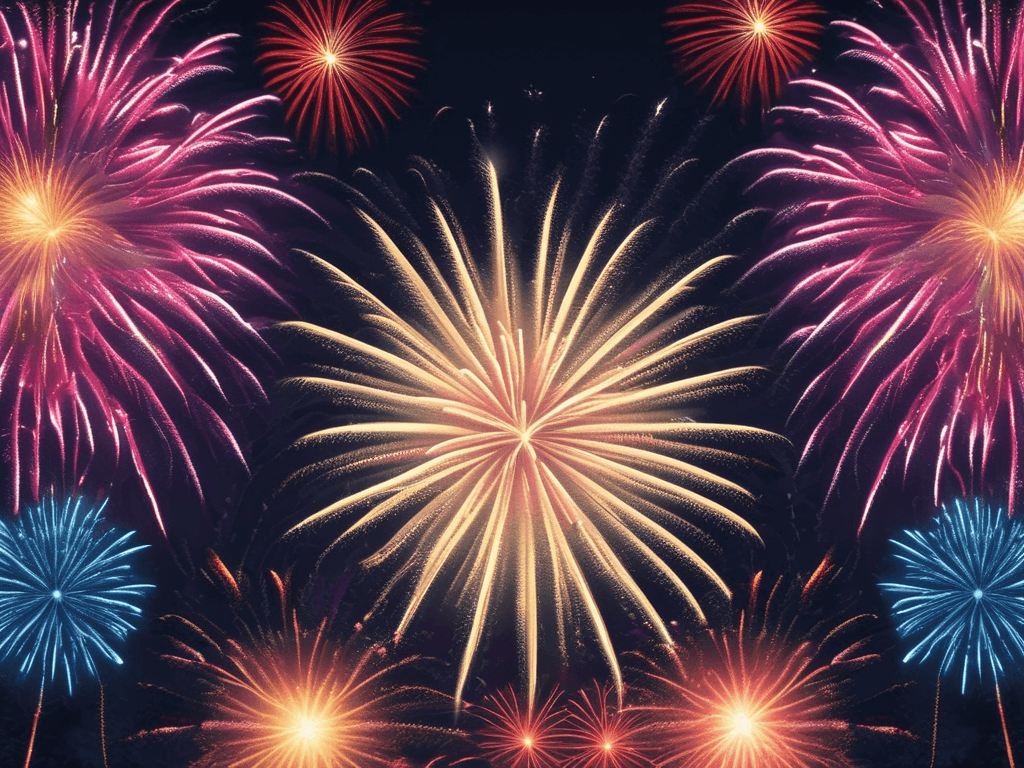
The moment when the old year transitions into the new year is called “Giao Thua.” This is a pivotal time during Tet, marked by a collective countdown to midnight. Families gather to bid farewell to the old year and welcome the new one with joy, hopes, and aspirations for a better future. Fireworks often light up the sky during this transition, adding a spectacular visual element to the celebration.
- Ong Do (Ông Äồ)
“Ong Do” plays a crucial role in Tet celebrations. Translating to “Calligrapher,” Ong Do is often a respected elder or scholar who writes auspicious phrases and wishes in elegant calligraphy. These carefully crafted words, written in black ink on red paper, are then displayed in homes to bring good fortune and positive energy throughout the year.
- Don Dep Nha Cua (Dá»n dẹp nhà cá»a)
“Don Dep Nha Cua” means to clean and decorate one’s home before Tet. This tradition symbolizes the purification of living spaces, getting rid of old and negative energies to welcome the new year with freshness and positivity. Homes are adorned with vibrant flowers, particularly peach blossoms, and kumquat trees, symbolizing good luck and prosperity.
Tet’s cuisine
- Banh Chung and Banh Tet (Bánh Chưng and Bánh Tét)
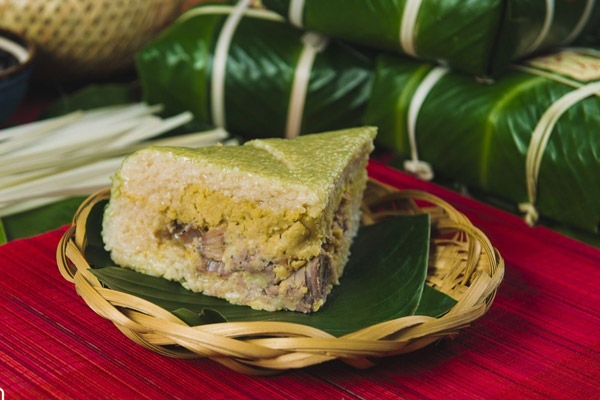
No discussion of Tet vocabulary would be complete without mentioning these iconic dishes. “Banh Chung” and “Banh Tet” are traditional sticky rice cakes, meticulously crafted and symbolic of the Earth. The square-shaped Banh Chung, wrapped in green banana leaves, represents the Earth, while the cylindrical Banh Tet symbolizes the sky. These cakes hold deep cultural significance, symbolizing the respect for ancestors and the continuity of family traditions.
- Ga luoc (GÃ luá»™c)
“Ga luocâ€, which is boiled chicken, is an indispensable Tet dish. Even though sometimes you can find it in daily meals, it is more likely to have Ga luoc during the first day or the 15th day of the lunar month, or during important occasions and holidays like Tet. The dish itself expresses fullness and well-being so it is always used as an offering to ancestors on any Vietnamese celebrations including Tet.
- Dua hanh (DÆ°a HÃ nh)
Pickled scallion is the translation for Dua hanh. Tet feast cannot be completed if this dish is missing. With all of the meaty and sometimes high-calorie food that people eat during Tet, Dua hanh is an important food to reduce the greasiness of the meal with its sour and sweet taste.
Tet’s wishes
- Chuc Mung Nam Moi (Chúc Mừng Năm Mới)
“Chuc Mung Nam Moi” is the traditional greeting exchanged during Tet, conveying wishes for a prosperous and happy new year. This phrase reflects the Vietnamese cultural emphasis on expressing goodwill and positive intentions towards others, fostering a sense of unity and community during the festive season.
- An Khang Thinh Vuong (An Khang Thịnh Vượng)
When you wish someone “An Khang Thinh Vuongâ€, you want their new year to be full of security, good health, and prosperity. This is a more advanced Tet vocabulary but you would make a great impression to Vietnamese if you say this to them.
As Tet unfolds across Vietnam, the language of the celebration weaves a narrative that goes beyond words. Each term and phrase carries the weight of tradition, history, and cultural values, creating a linguistic tapestry that binds generations and fosters a sense of identity. From the heartfelt greetings of “Chuc Mung Nam Moi” to the meticulous preparation of “Banh Chung,” Tet vocabulary reflects the profound connection between language and culture, making the celebration not just a festive occasion but a profound expression of Vietnam’s rich heritage.